


Taxonomy and genomics unite to unveil Brazilian biodiversity
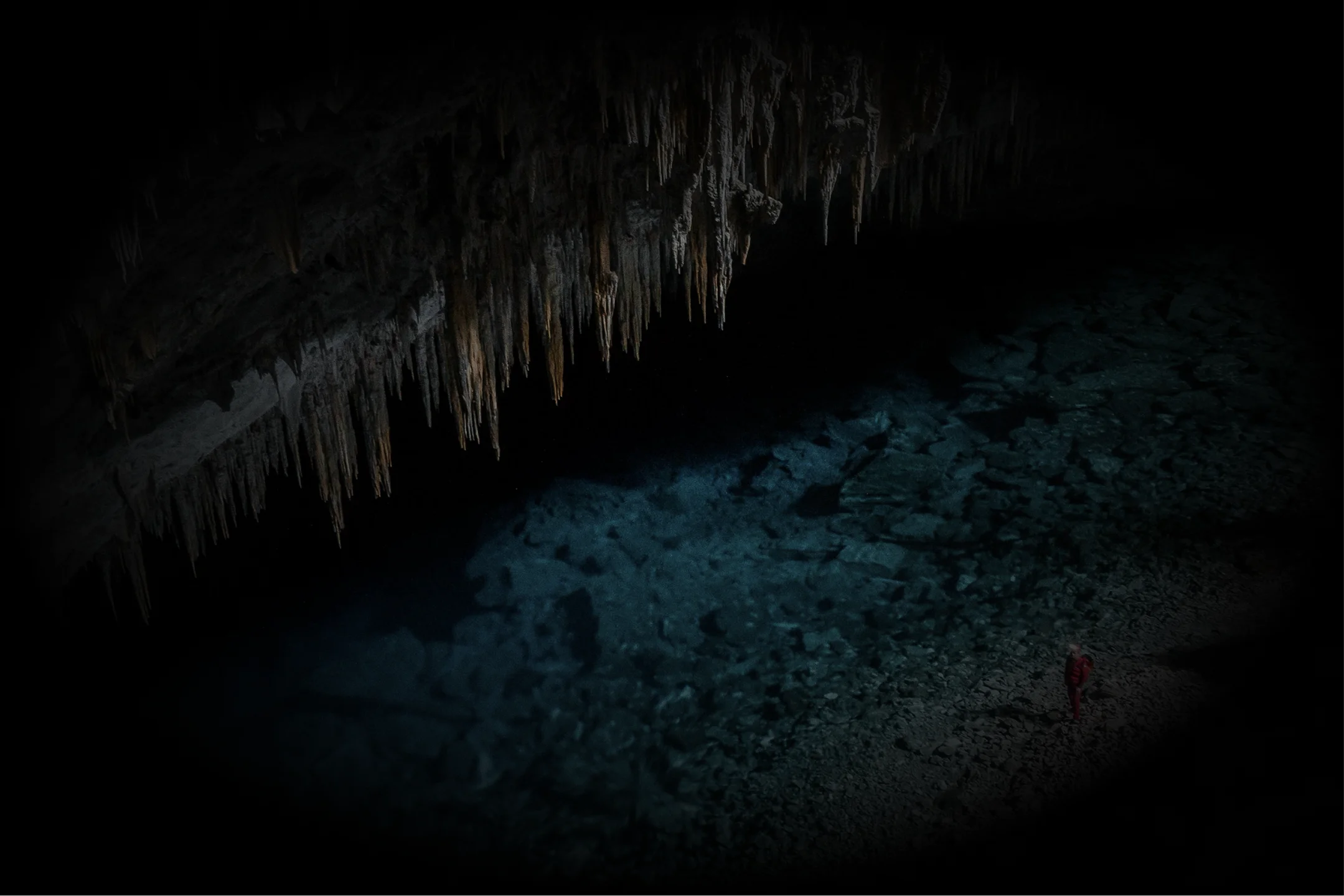
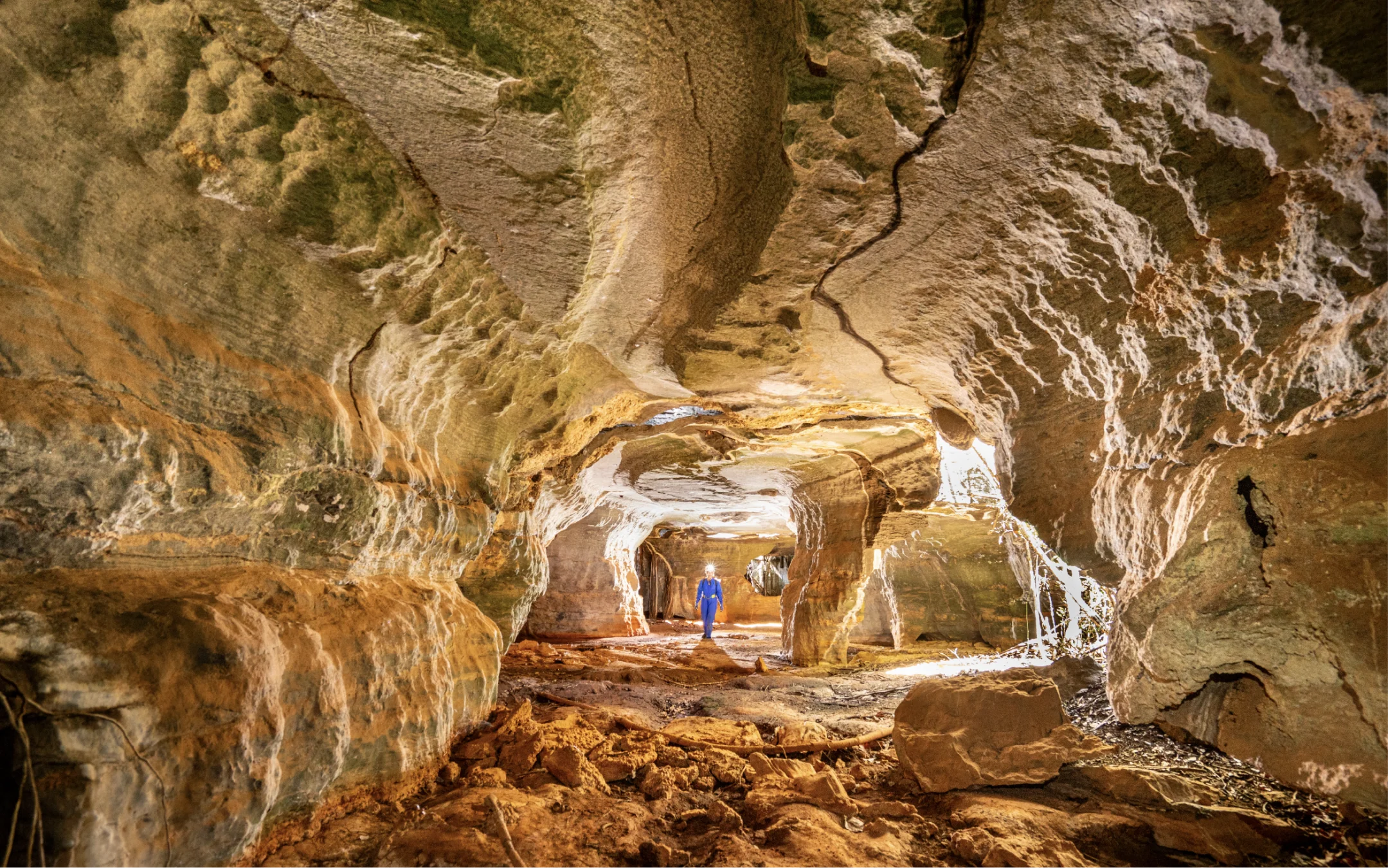
In Mato Grosso do Sul, among the flooded rocks of the Blue Lake Cave, lives a crustacean almost invisible to the human eye.
It is known to be less than half a centimeter long, transparent, eyeless, and exists only underground, in dark and silent environments.
This is Potiicoara brasiliensis.
There is still much to discover: is it a single species? What are its closest relatives? Is it threatened with extinction? These are questions that genomic sequencing aims to help answer.
Why is important to tell this story?
In Brazil, one of the most biodiverse countries in the world, there are still species that run the risk of disappearing before having been described. This story shows how the consortium Genomics of the Brazilian Biodiversity (GBB) uses genomic tools to map fauna and flora and create subsidies for conservation policies.
Partnerships and collaborations:
The project Genomics of the Brazilian Biodiversity (GBB) is led by the Vale Institute of Technology and the Chico Mendes Institute for Biodiversity Conservation. Over 300 researchers from national and international institutions such as the University of São Paulo, the Federal University of Pará and the University of Oxford in the UK are participating, as are hundreds of organizations such as Ibama and Fiocruz.
Mata N'Ativa Glossary
We work for access to scientific knowledge. Be sure to check out the glossary at the end of the story to get a clearer understanding of each of the concepts covered in the text!
Access Glossary
We like to say that Brazil is the world champion of biodiversity. It's not a matter of euphemism, but of data. The country's biomes are home to around 125,000 identified animal species and over 50,000 plant species. Still, even in the midst of such impressive figures, behind the scenes of science, uncertainty prevails.
Undescribed species could be lurking in every cave, patch of forest and waterway. To make matters worse, every day fragments of forest disappear, riverbeds are altered and underground environments may cease to exist before we know the extent of their biological diversity.
It is in this context that an unprecedented initiative has arisen: Genomics of the Brazilian Biodiversity (GBB), a public-private partnership between the Vale Institute of Technology (ITV) and the Chico Mendes Institute for Biodiversity Conservation (ICMBio) that will uncover part of what we still don't know through genomic studies of Brazilian fauna and flora. The results could lead to effective changes in the formulation of public policies related to conservation and the bioeconomy.
Headquarters of the 14 ICMBio National Research and Conservation Centers involved in the GBB. The Genomics of the Brazilian Biodiversity (GBB) consortium has the support of ICMBio's 14 National Research and Conservation Centers, which are part of the group responsible for defining priority species for genomic sequencing and selecting sample collection areas in federal conservation units.
Waiting for a description
Not long ago, biologist Rodrigo Lopes Ferreira, a professor at the Federal University of Lavras (Minas Gerais) and one of the country's leading experts on cave animals, discovered a creature in a cave in inland Bahia that was as ancient as it was unusual. Looking at first glance like a mere isopod - an order of crustacean reminiscent of a garden tortoise - depigmented and blind, the animal revealed a behavior never previously recorded: building clay cocoons to protect itself when molting (changing its exoskeleton). The discovery of Iuiuniscus iuiuensis even led to the description of a new subfamily. "It was the first time anyone had seen a little armadillo making a home," he says.
The ability of small animals with extreme adaptations to survive in absolute darkness is tremendous. When they live exclusively in caves and other underground habitats, they are known as troglobites. With each expedition, new species are discovered - so many that there's a queue of species waiting to be described, Ferreira reveals. Many of them are microendemic, i.e. restricted to a single, underground formation, which makes them highly vulnerable.
And without a scientific name, there is no legal recognition and no chance of protection. "You can only conserve what you know," says Diego de Medeiros Bento, an environmental analyst at the National Cave Research and Conservation Center (CECAV, ICMBio) and a member of the GBB. Only by recognizing the species is it possible to assess the risk of extinction, taking into account such criteria as population abundance and geographical distribution, and to include it in National Conservation Action Plans (PANs), which are instruments for guiding public policy.
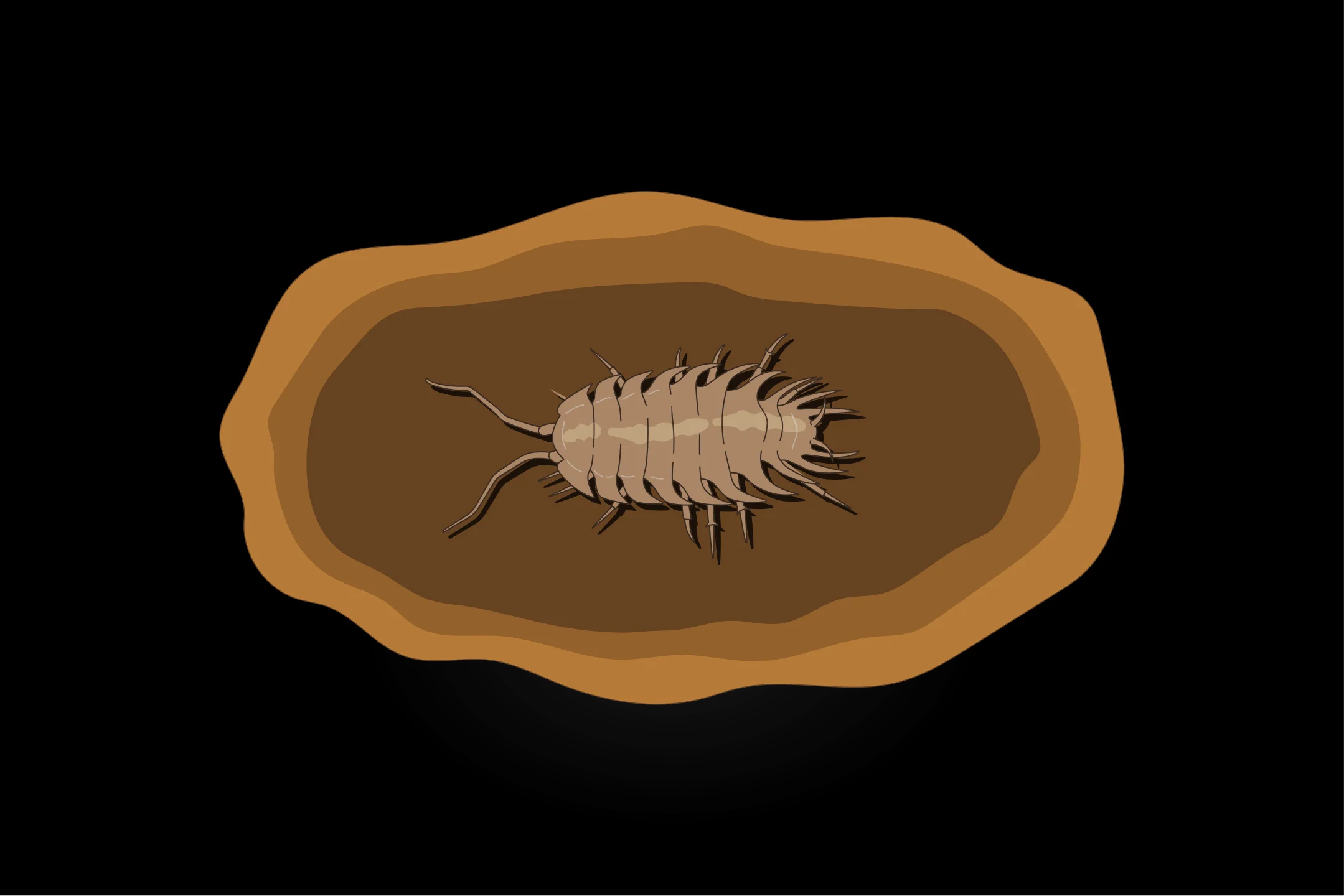
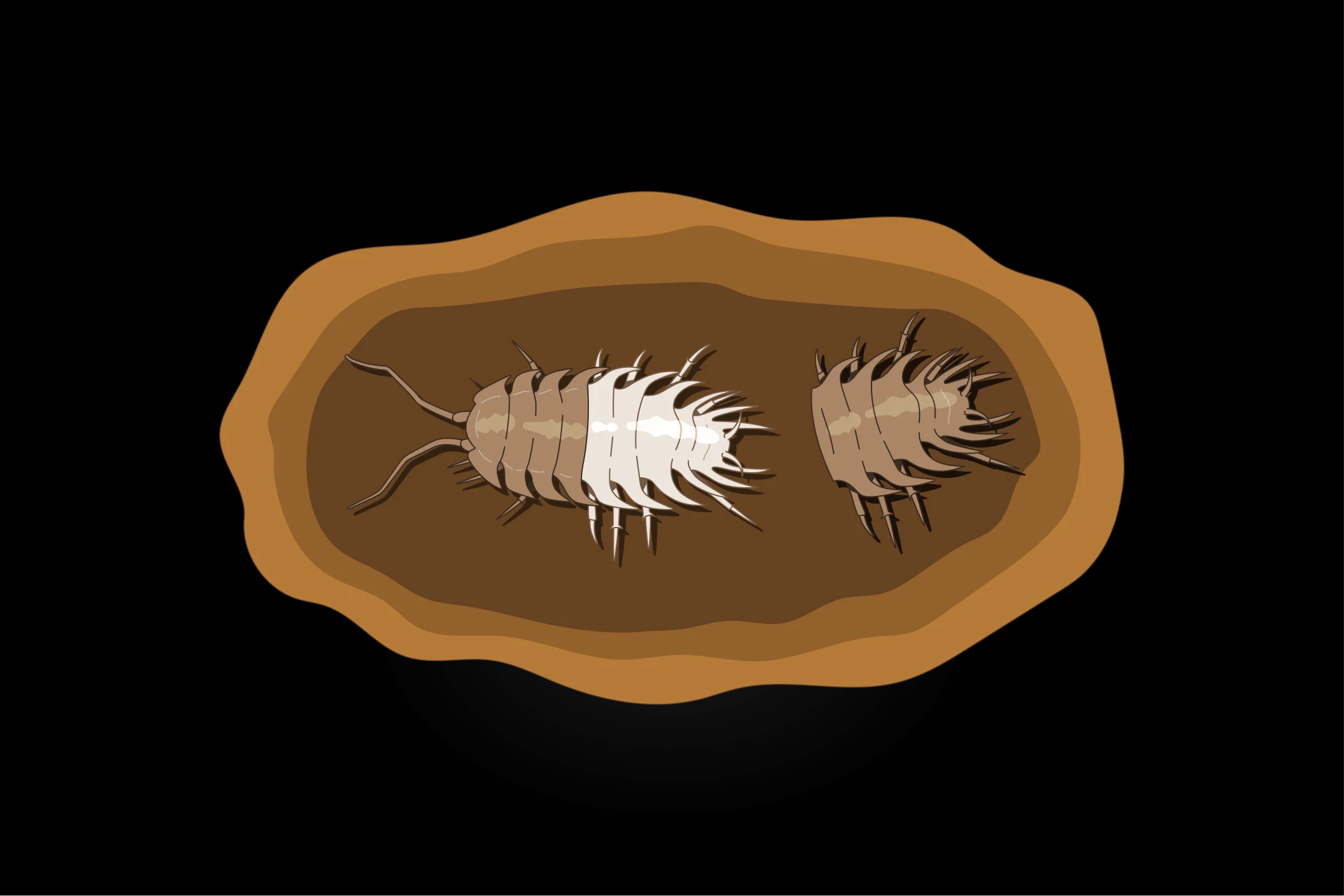

In southwestern Bahia, another curious species is waiting to be unraveled by genetic technology.
So different that its discovery required the description of a new subfamily.
Iuiuniscus iuiuensis is a blind, depigmented isopod, related to the garden armadillo, with a characteristic unprecedented among other creatures of this type: it makes cocoons to protect itself when molting (changing its exoskeleton).

The limits of species
What defines a species, after all? Although it is a concept that has historically been debated, a species is, in essence, an evolutionary lineage, a group of individuals with a shared trajectory and their own identity, says Taran Grant, a biologist and professor at the University of São Paulo. A simple comparison between dogs shows how tricky appearance can be: for instance, a chihuahua and a German shepherd are radically different in size, color, ear shape and muzzle. However, they all come from the same "continuum": Canis lupus familiaris. They interbreed and are part of a single lineage.
Now swap the dogs for some frogs from the Atlantic Forest or isopods from the caves of Brazil. To the layman's eye - and often even to the expert – these animals are identical. A deeper genetic examination, however, can reveal that they belong to separate lineages thousands or millions of years ago, following completely different evolutionary paths. These are called cryptic species: organisms that look the same but are separated by genetic gulfs invisible to traditional morphological analysis. They are the result of a long period of isolation with no evolutionary pressure to change the body on the outside, though they have almost no real connection to one another.
How do we draw this line? The challenge is to differentiate between variations within the species itself (between populations of the same animal) and variations between different species. And not all the answers lie in the genes. Many questions can only be answered by taxonomy. "Genomics has become a tool like a microscope. It's powerful, but it's just another tool. It doesn't replace the work of describing, collecting and comparing species by species," says Santelmo Vasconcelos, a biologist and researcher at ITV.
When it comes to flora, the work requires even more patience. "We need to have all the characteristics: leaf, flower and fruit. If the plant isn't at the right time in its cycle, you can't force it. Some are annuals, they sprout, flower and die in a matter of two months. Others are biannual, only blooming every two years. And then there are the perennials, which are hidden in tubers and only sprout again when it rains. They look like they've died, but they haven't, they're just waiting for the right moment," says Maurício Watanabe, a researcher at ITV.
Between 2015 and 2018, the ITV team surveyed the flora of the Carajás cangas. Among the plants registered are such emblematic species as Ipomoea cavalcantei, known as the Carajás flower, and Ipomoea marabaensis. The two share the same territory and even hybridize naturally in some areas, an example of how nature is not limited by rigid taxonomic boundaries. "The region occupies only 1% of Pará, but concentrates 15% of the state's flora. In the end, we identified over 1000 species, and 38 of them were endemic [meaning they only live there]."

Genomics has become a tool like the microscope. It's powerful, but it's just another tool. It doesn't replace the work of describing, collecting and comparing species by species.
Santelmo Vasconcelos, biologist and researcher at ITV
Applying the data
In Mato Grosso do Sul, among the flooded rocks of the Gruta do Lago Azul and many other underground formations in Bonito, a renowned tourist destination in Brazil, lives a very discreet crustacean: Potiicoara brasiliensis. Less than half a centimeter long, transparent and without eyes, the little shrimp was described in the 1980s and only exists underground, in dark, silent environments where life moves in slow motion. The curious thing is that, despite having been found in caves far from each other, no one knows for sure whether we're talking about a single species or several hidden "cousins," each isolated in their own corner. In this way, any change in the water, due to tourism, deforestation or pollution, can threaten and eliminate an entire unique, irreplaceable lineage.
This is where population genomics comes in. The technology makes it possible to identify whether distant populations are still exchanging genes or if they are isolated - situations in which lineages that were close at first glance turn out to be different species. "If it's just one species and it's widely distributed, the risk is lower. But if there are several small, isolated populations, the conservation strategy has to be completely different," says Diego Bento, an ICMBio analyst.
And to make sound decisions, it's not enough to have access to genomic data. It has to be interpreted. "In microevolution, you look at populations: gene flow, whether they are connected or isolated. In macroevolution, which is crucial for conservation, you define what a species is. Because it's the species that the law protects. Only a taxonomist, who knows morphology, behavior and natural history, can interpret molecular data," explains researcher Santelmo Vasconcelos.
The urgency of research
By connecting researchers, laboratories, biological collections and environmental agencies, the GBB aims to sequence the complete genomes of priority species, many of which are endangered, little known or of great ecological importance. The idea is to go beyond the so-called "fofofauna," the most popular group of animals, and embrace little-known and already endangered creatures, such as the transparent troglobites. One of GBB's concrete objectives is to generate mitogenomes - the DNA of mitochondria, widely used to identify species and trace evolutionary parentage - of all the country's threatened troglobites. It is estimated that there are around 200 species in this condition. So far, 60 samples have been collected and sent for analysis.
The plan is to build a robust and publicly accessible genomic database, capable of identifying cryptic species and guiding public policies, in addition to fostering innovations in biotechnology, agriculture, and sustainable management of natural resources. "Brazil has an incredibly valuable genetic heritage, little explored economically. With genomics, we can improve native species such as cassava and açaí, seeking predictable and adapted characteristics, creating more productive and resistant varieties," explains biologist Guilherme Oliveira, Scientific Director of ITV Sustainable Development in Pará.
To organize this effort, ITV and ICMBio set up a working group, with the support of the 14 National Research and Conservation Centers of the federal agency spread across Brazil. Organizations such as the National Research and Conservation Center for Sea Turtles and Eastern Marine Biodiversity (Tamar) and the National Research and Conservation Center for Wild Birds (CEMAVE) are responsible for establishing the species of interest while also receiving proposals from researchers.
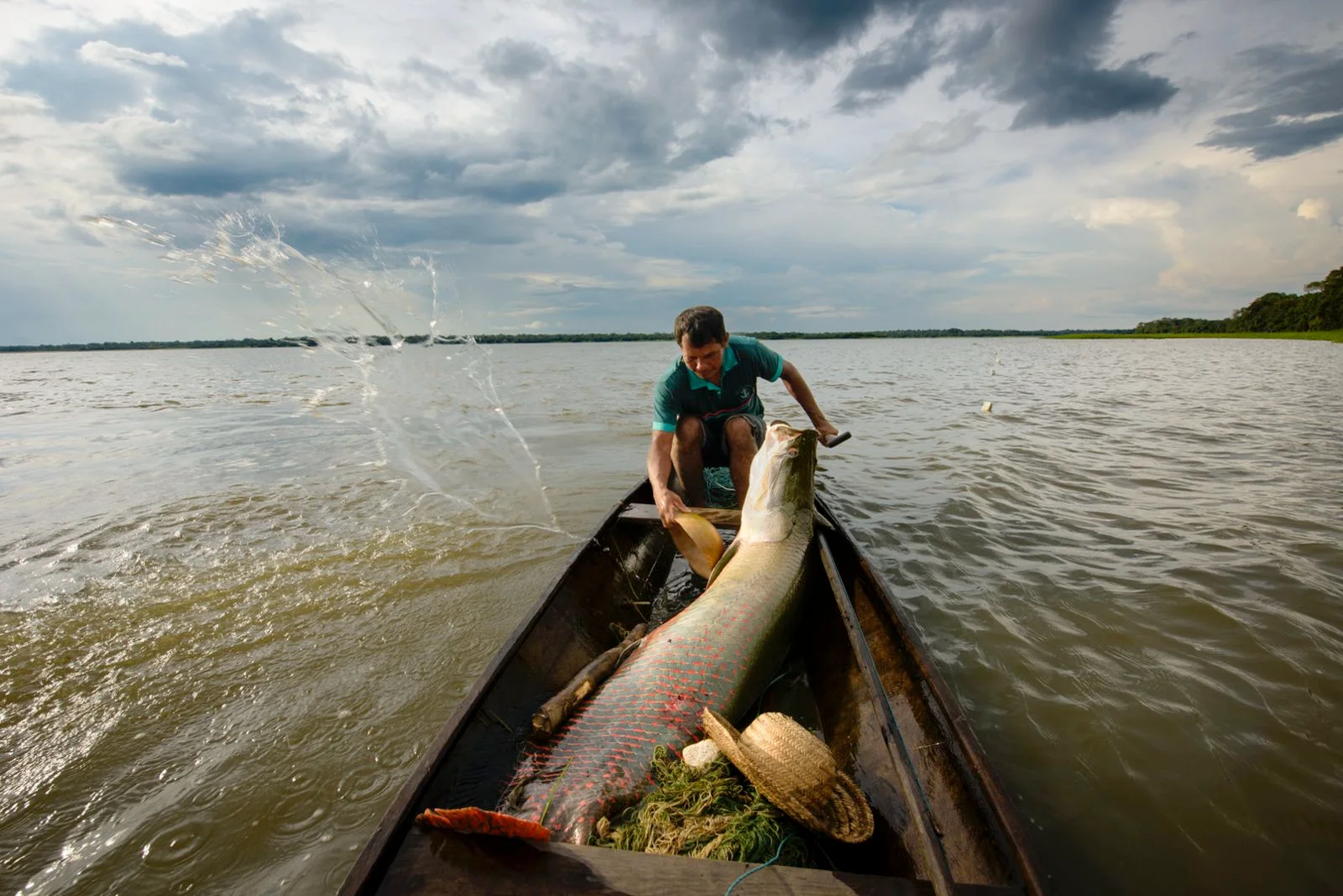
Among the reference genomes – a complete map of the genetic code in a high-quality standard – already constructed are those of threatened animals, such as the jaguar (Panthera onca), the golden parakeet (Guaruba guarouba), and the Amazonian manatee (Trichechus inunguis). "The sample we need to obtain for the genome must be treated with extreme care from the moment of collection, because the idea is that that individual, in that sequencing, will be the reference for the species as a whole," explains Lilian Bonjorne de Almeida, environmental analyst at ICMBio's National Research and Conservation Center for Carnivorous Mammals (CENAP).
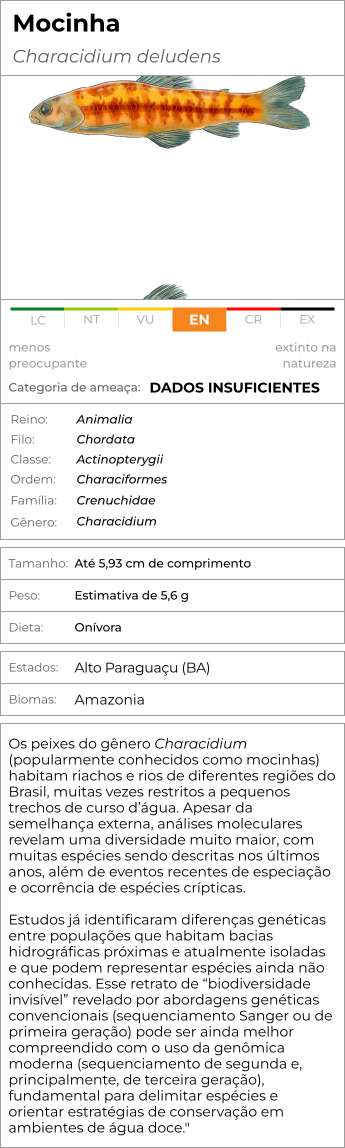
In the laboratory, genomic sequencing can be done in two ways: with long reads or with short reads. Long reads, much more expensive, capture longer stretches of DNA and, when assembling the puzzle, represent larger pieces that facilitate the assembly of the complete genome. Short reads, on the other hand, are like billions of small pieces – DNA fragments of about 300 base pairs, read with very high speed and precision. It is a cheaper method, ideal for analyzing the DNA of dozens or hundreds of individuals at the same time.
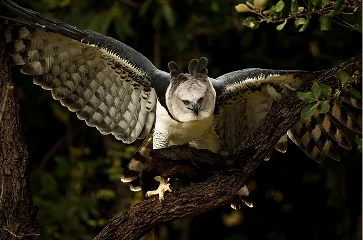
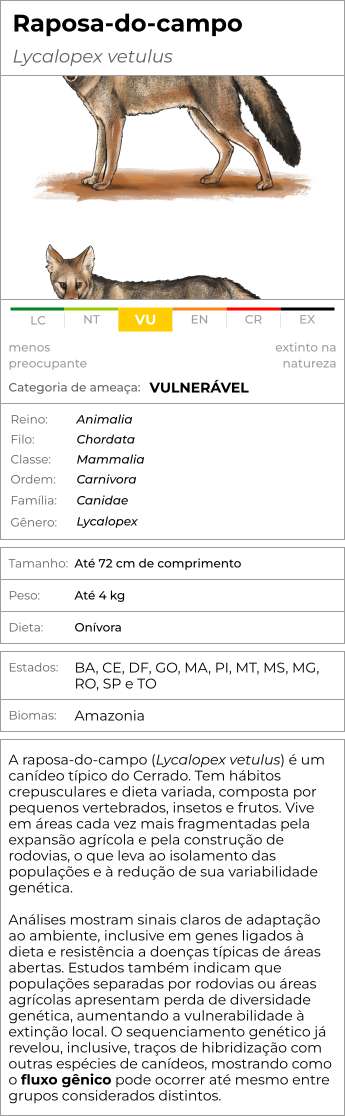
A GBB effort, for example, was to create the population genome – the analysis of gene diversity of several individuals in a population – of the harpy eagle (Harpia harpyja) and the tapir (Tapirus terrestris). "The method allows us to understand genetic variation within the same species, know the difference between each population, whether there is isolation and whether there was interbreeding between distinct species, as occurs, for example, with hybrids of pampas fox (Lycalopex gymnocercus) and hoary fox (Lycalopex vetulus)," says Almeida.
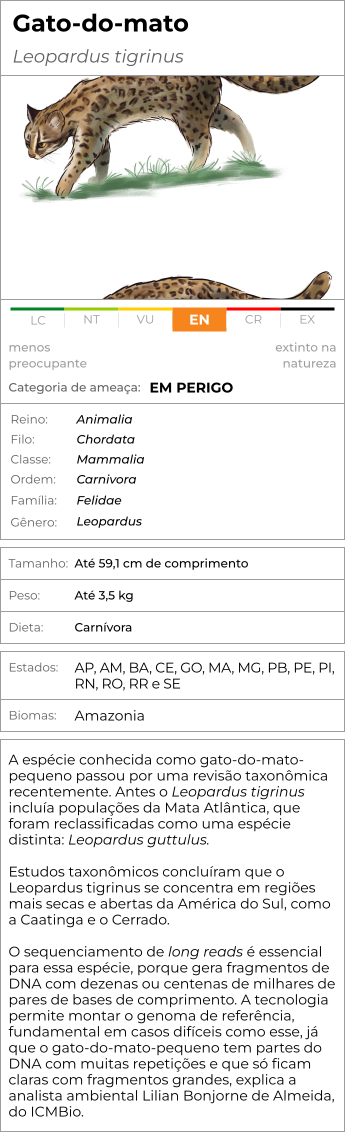
In the case of the jaguarundi (Herpailurus yagouaroundi) or the pampas cat (Leopardus munoai), Brazil's most threatened feline, present only in the Pampa, analysis through long reads makes all the difference. "We need to know if the Pampa animal is really unique or if it is the same as the one that occurs in another region. The reference genome, assembled with long reads, is the standard to compare all other individuals. With short reads, we can sequence dozens of cats and see if there is genetic mixing or not," adds Almeida.
In addition to sequencing individual genomes, GBB bets on a base technology for large-scale conservation: environmental DNA metabarcoding, or eDNA metabarcoding, with which it is possible to detect species only from samples of water, soil, leaf litter, and even air.
A genetic reference bank is under construction and, the more robust it becomes, the better the technology will be leveraged. By comparing DNA barcodes and the information in the bank, it will be possible to identify which species are present in the environments. Even without the complete reference bank, eDNA already provides valuable information. Using the concept of operational taxonomic units (OTUs), scientists can map how many "lineages" of life exist in an environment – whether in an underground pool in Bonito or in an Amazonian stream – and monitor whether these lineages are increasing, decreasing, or disappearing. "If tomorrow one of these lineages disappears from the environmental sample, it's a warning sign: something has changed, even if we still don't know the scientific name of that organism," explains Guilherme Oliveira. So far, 432 eDNA samples have been sequenced by GBB.
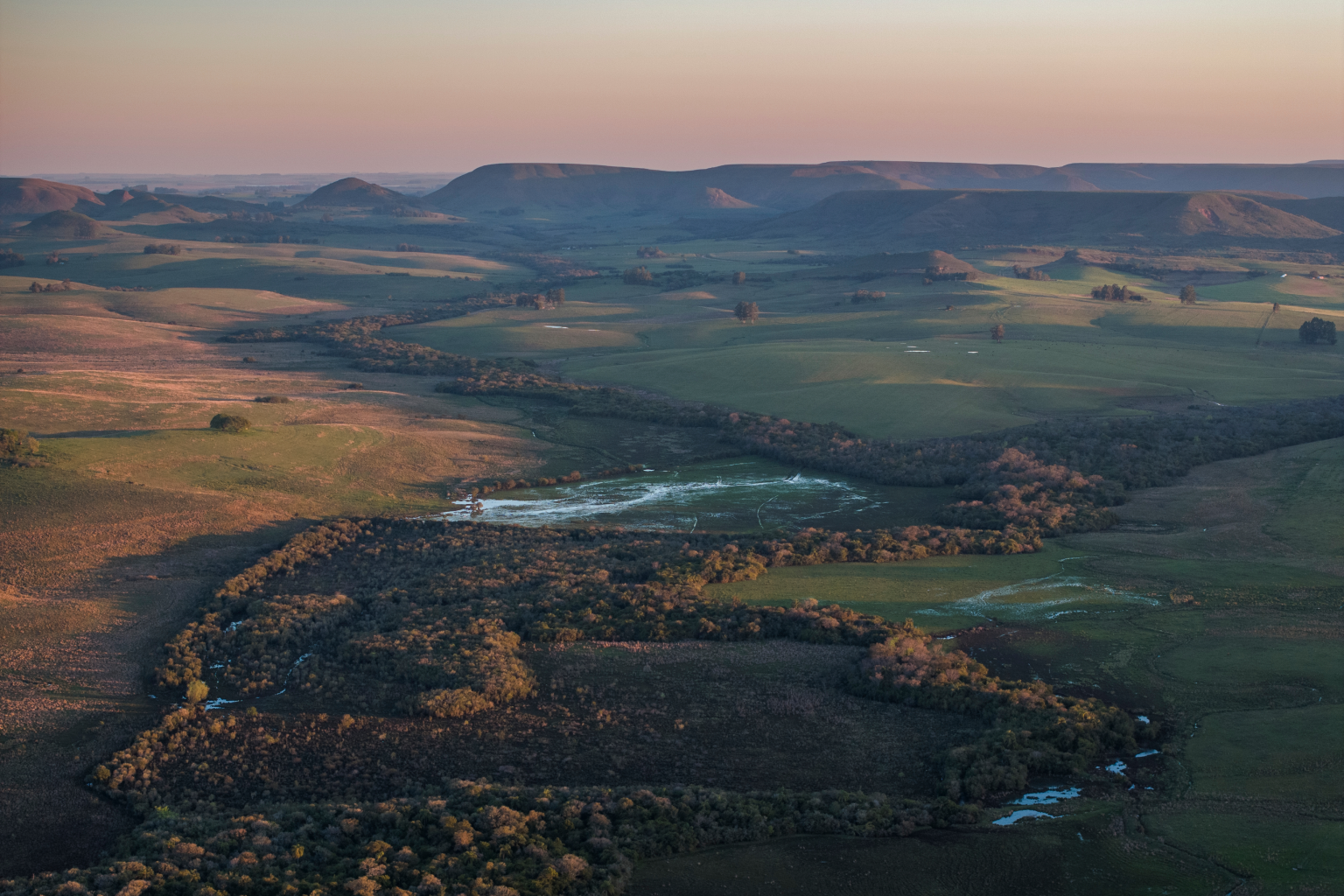


The Ibirapuitã Environmental Protection Area in Rio Grande do Sul protects remnants of the Pampa biome, one of Brazil's most threatened ecosystems.
In these grasslands occurs a rare feline dependent on well-preserved open areas.
The pampas cat (Leopardus munoai) is classified as Critically Endangered. It is estimated that less than 0.73% of the areas considered highly suitable for the species are protected.
For a long time, it was confused with other pampas cats of the Leopardus colocolo complex. Recent studies resolved this controversy, and initiatives such as GBB can make this definition even more robust to guide conservation actions.
Source: Nascimento, F. O. D., Cheng, J., & Feijó, A. (2021). Taxonomic revision of the pampas cat Leopardus colocolo complex (Carnivora: Felidae): an integrative approach. Zoological Journal of the Linnean Society, 191(2), 575-611.A question of sovereignty
Having a complete genetic reference bank, however, does not represent the end of the work. It is necessary to transform the invisible code of Brazilian biodiversity into a living digital encyclopedia, capable of guiding public policies. "If we have this intelligence that allows us to understand and change the world so profoundly, doesn't that confer on us a responsibility to protect other species, to take care of this world?" evaluates Professor Taran Grant.
Expanding knowledge does not mean just accumulating data – it is a commitment to beauty, ethics, and science.
The illustrations on this page are visual artistic resources for educational purposes and do not represent scientific illustrations.
OTHER SPECIES



GLOSSARY
subfamily
intermediate level of biological taxonomy, situated between the family and the genus; used to group together genera that share closer taxonomic characteristics
continuum
gradient of genetic, morphological or ecological variation between populations, without a clear or abrupt separation between them
cryptic species
term used to describe two or more species that are almost identical morphologically (they look the same to the human eye or even under a microscope), but are genetically distinct
taxonomy
science that classifies, names and organizes living beings
morphology
study of the shape, structure and external appearance of living beings
mitogenome
DNA molecule inside the mitochondrion
mitochondria
an area of the cell whose primary function is to generate energy, but which also carries out other crucial activities, such as capturing and storing calcium
reference genome
DNA sequence that serves as a model or standard to represent the complete genome of a species, exemplifying its genetic organization; it is used for comparisons and analyses of genetic variations between individuals, populations or species
long reads
this term refers to long fragments of DNA sequenced in one go, usually more than 10,000 base pairs (10 kb), and can exceed 100 kb
short reads
this term defines small fragments of DNA sequenced at once, usually between 50 and 300 base pairs (bp) in length
population genome
set of genetic variations within a population of organisms; the study of the population genome examines how DNA varies between individuals of the same species in different geographical locations, time periods or environmental conditions, allowing the calculation of important parameters that indicate a species' risk of extinction
Environmental DNA Metabarcoding
a technique used to study biodiversity and biological communities based on the DNA present in environmental samples; it allows multiple species to be identified at the same time
operational taxonomic units (OTUs)
a group of DNA sequences that are very similar to each other, used to represent types of organisms in a sample. Even without knowing the name of the species, OTUs help scientists count how many different 'lineages' there are in a determined place and track changes in biodiversity over time
gene flow
it occurs when individuals migrate from one population to another and, when they reproduce, take their genes with them, mixing the genetic material between the groups
speciation
process by which new species arise from an ancestral population
Sanger sequencing
a method developed by Frederick Sanger in 1977 to determine the sequence of bases (A, T, C, G) in a DNA molecule. It is still widely used in laboratories to sequence short, specific stretches of DNA with high precision, such as genes or regions of interest