Scientists unveil how bats sustain ecosystems in Carajás
Research from the Vale Institute of Technology (ITV) reveals the essential role of these winged mammals in connecting the forest and caves in a unique region, where mineral wealth coexists with extraordinary underground biodiversity. Bats are vital for pollination, seed dispersal, pest control, and the survival of other species.
Why is it important to tell this story?
Studies in the Carajás region highlight the important ecosystem services provided by bats. They even ensure the survival of other species. To protect them, it is necessary to overcome stigmas and provide information about their habits and interactions with the environment.
Partnerships and collaborations
ITV's research on bats has partnerships and collaborations with institutions such as the Museum of Zoology of the University of São Paulo, the Federal University of Lavras, São Paulo State University, the Federal University of Pernambuco, Vale's speleology area, and Northern Arizona University.
Mata N'Ativa Glossary
We work for access to scientific knowledge. Be sure to explore the glossary at the end of the story to get a clearer understanding of each of the concepts covered in the text!
Access Glossary
In the darkness of one of the more than 2,000 iron caves in the Carajás region of Pará, silence is an illusion – you may not be alone. Hundreds or even thousands of individuals may be nearby, inert on the walls or flying swiftly to dodge obstacles with millimeter precision, guided by a sophisticated sonar system. It is here, in the hostile environment of iron ore rock caves, that one of the most underestimated forces of the Amazonian fauna is revealed: bats.
Few animals support as many ecological systems as these winged mammals. They disperse seeds, control insect populations, and pollinate flowers. On the cave floors, where they shelter to rest, the accumulation of their feces, called guano, serves as a primary source of nutrients for a large part of the beings that live there. Without bats, the balance of biodiversity in the region would not be the same, especially for underground life. The forest would change for the worse.
Understanding these animals – their flight, hunting, shelter, and interaction habits with the environment – is the mission of researchers like biologist Valéria Tavares, from the Vale Institute of Technology (ITV), a specialist in the subject for over 30 years. “When I graduated, we used to joke that you could fit everyone who worked with bats into a Beetle. There were many unanswered questions,” she says. Among the various research fronts of the scientists in Carajás are studies of natural history, genetics, acoustics, and behavior. The goal: to understand how these animals sustain the most unlikely ecosystems in the Amazon region.
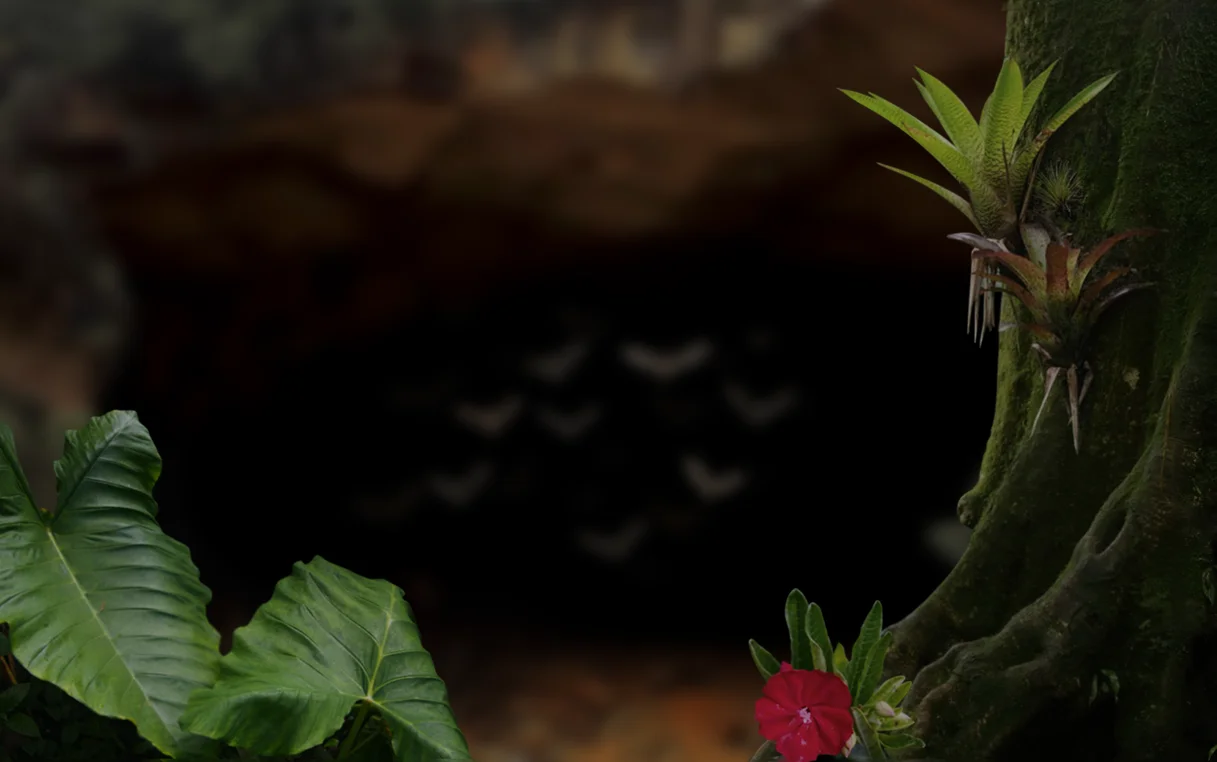
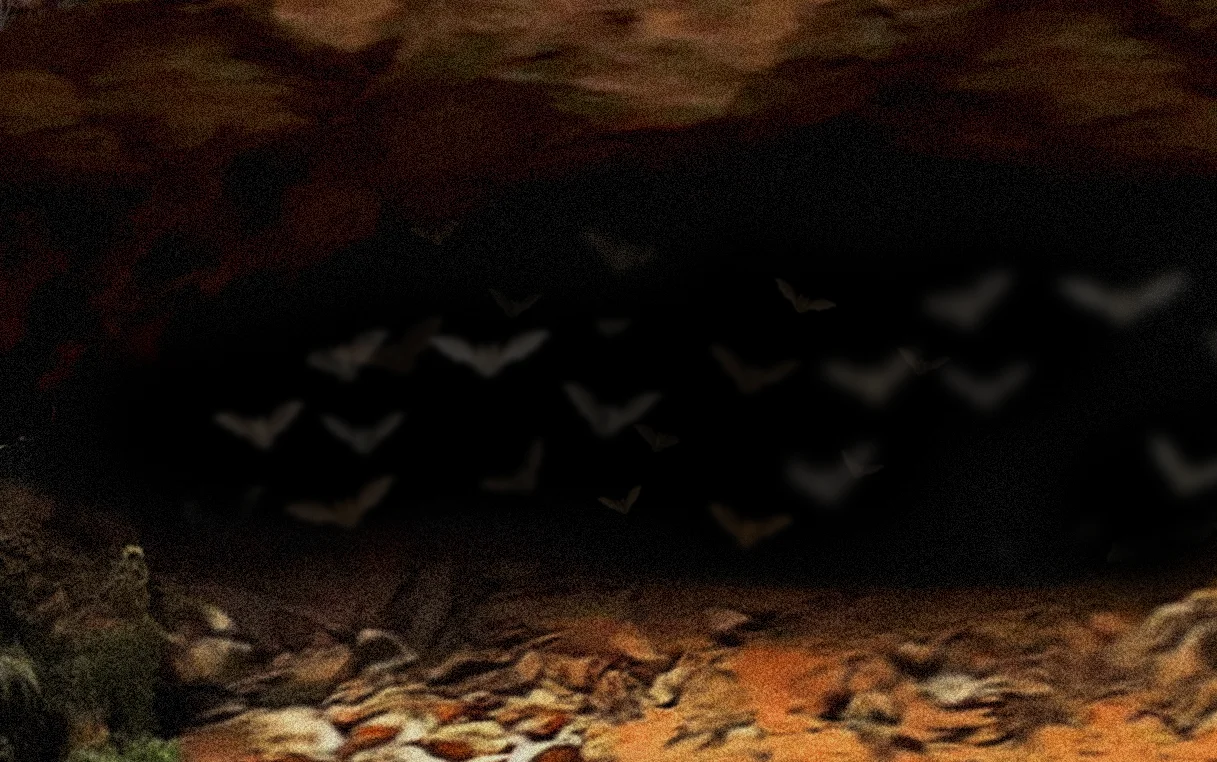
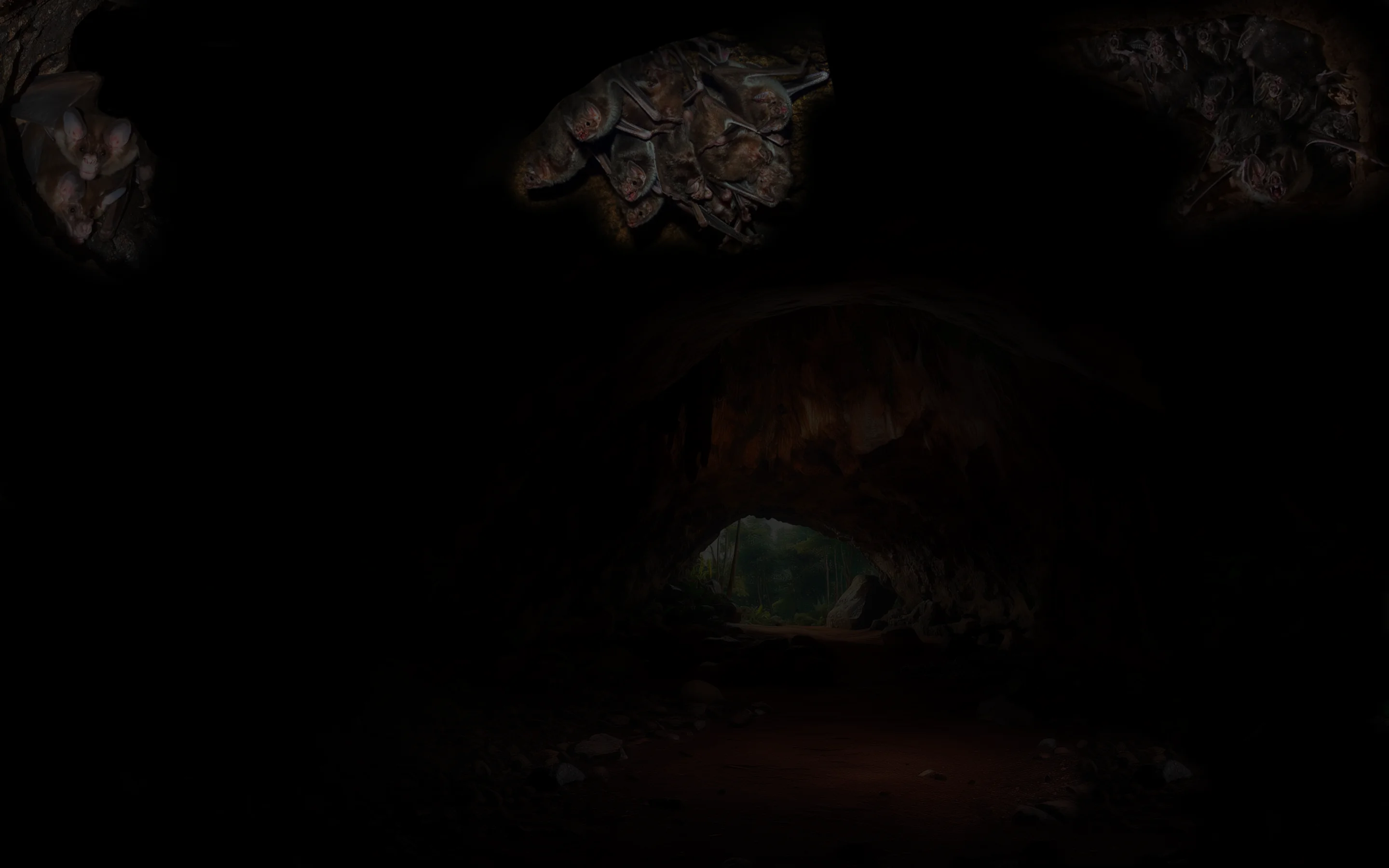
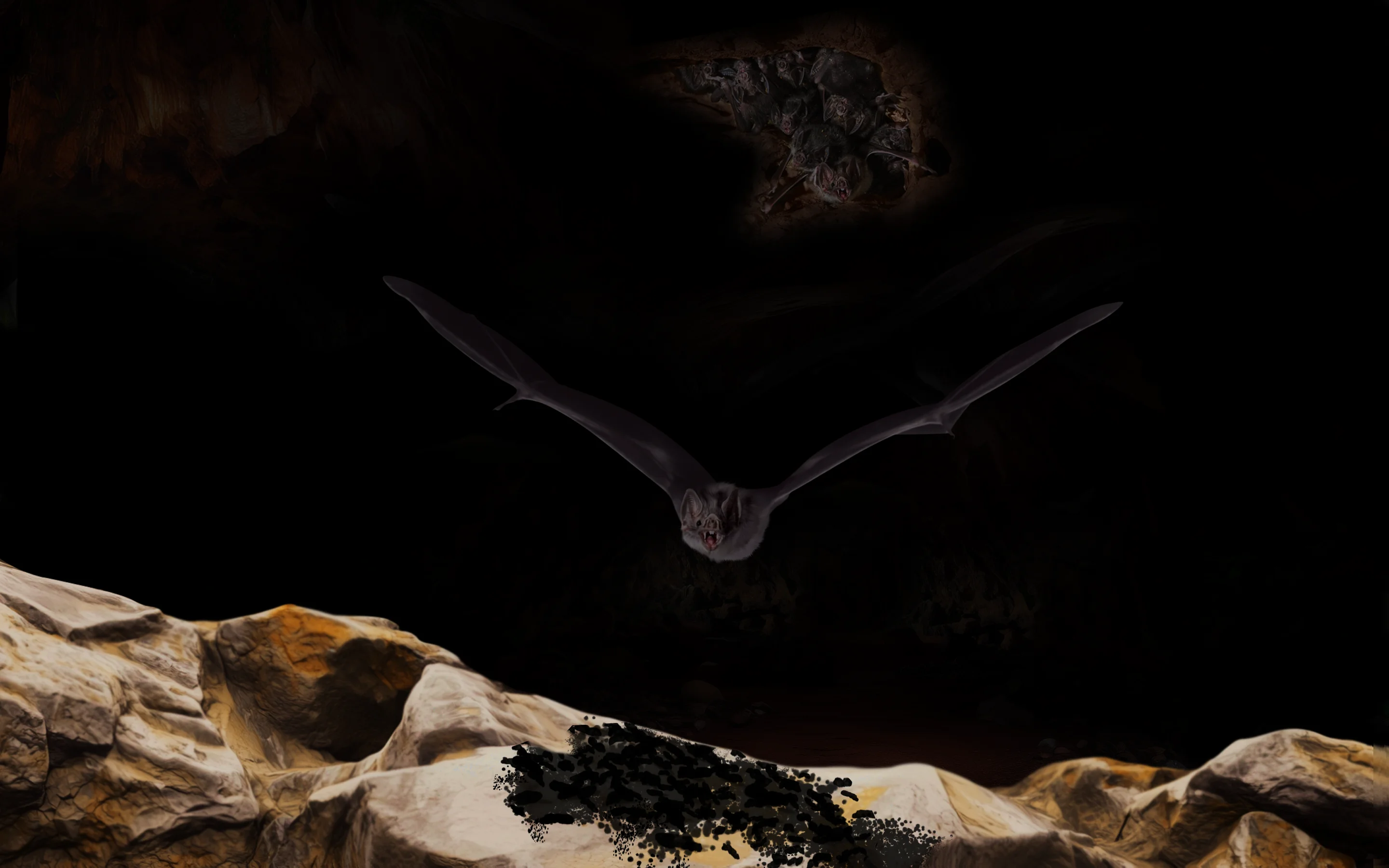
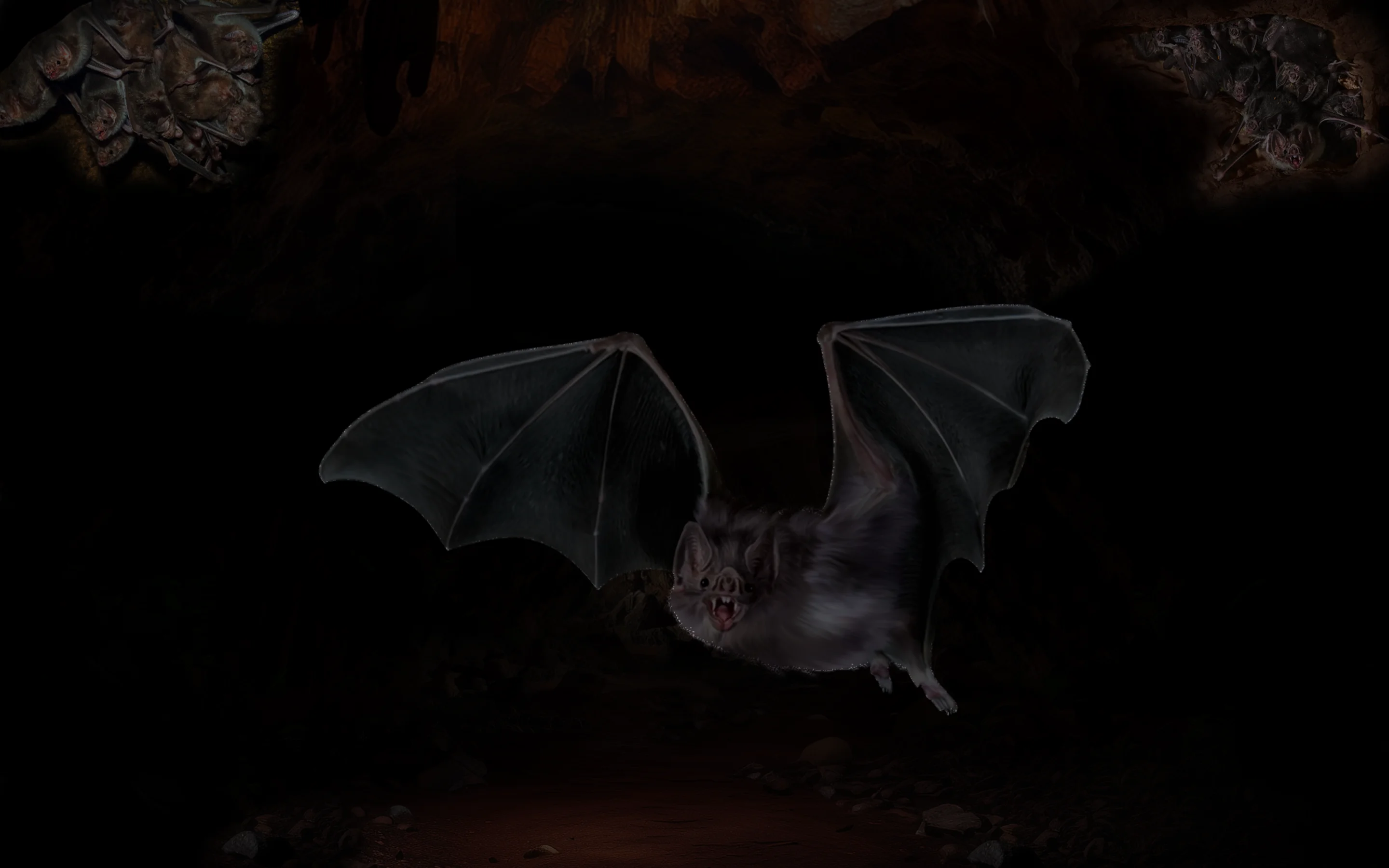
More than 80 bat species inhabit the Carajás National Forest, in southeastern Pará. Some feed on nectar and pollinate a wide variety of plants. Others, by eating insects, regulate populations and prevent imbalances—such as agricultural pests.
There are also species that eat fruits, disperse seeds, and help new plants grow. Many live in darkness as well—and sustain other ecosystems.
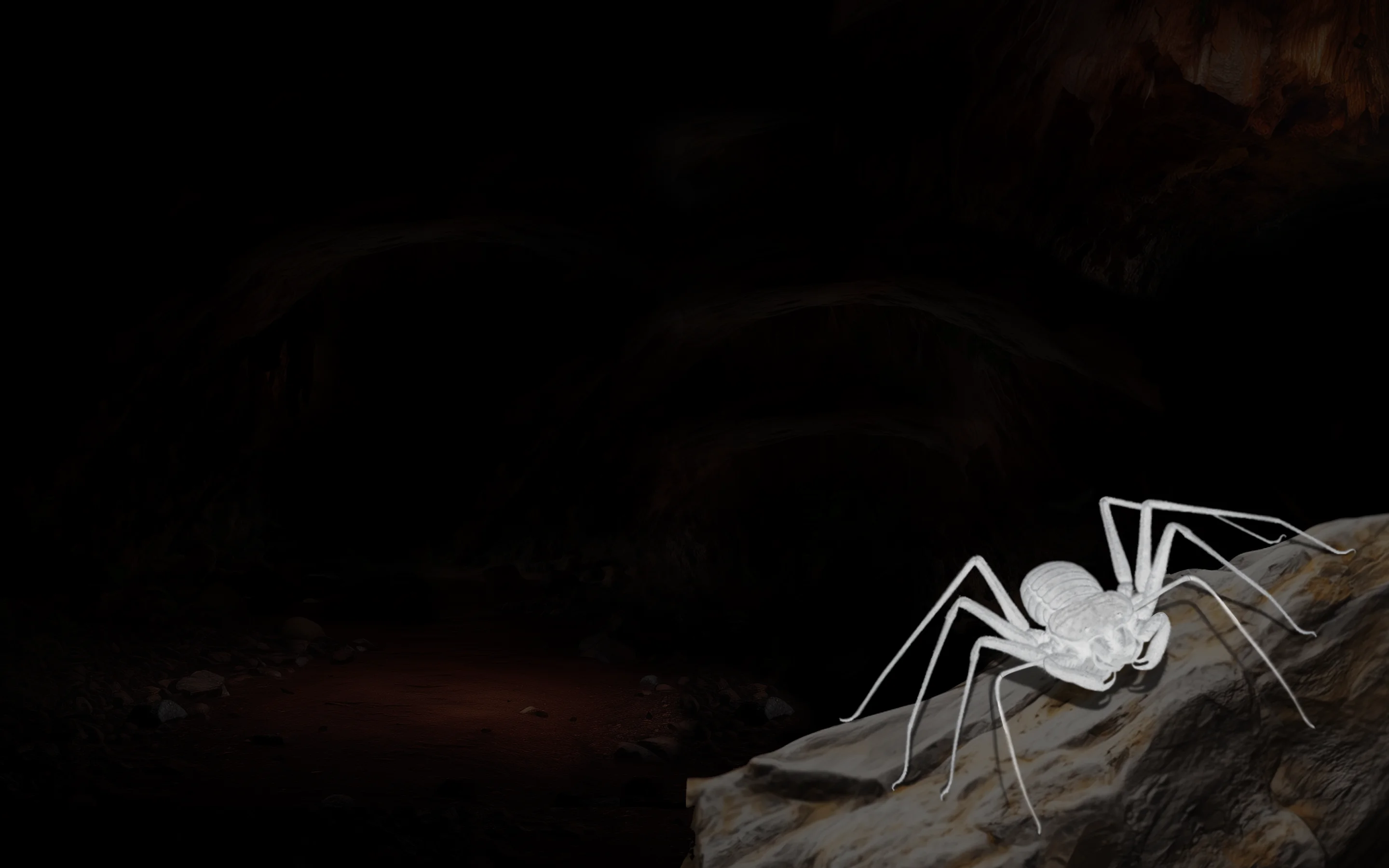
Because there is no sunlight in the inner parts of caves (the aphotic zone), no vegetation performs photosynthesis there.
The main source of energy is bat guano — their feces.
This guano nourishes a little-known biodiversity, including troglobites such as this amblypygid.
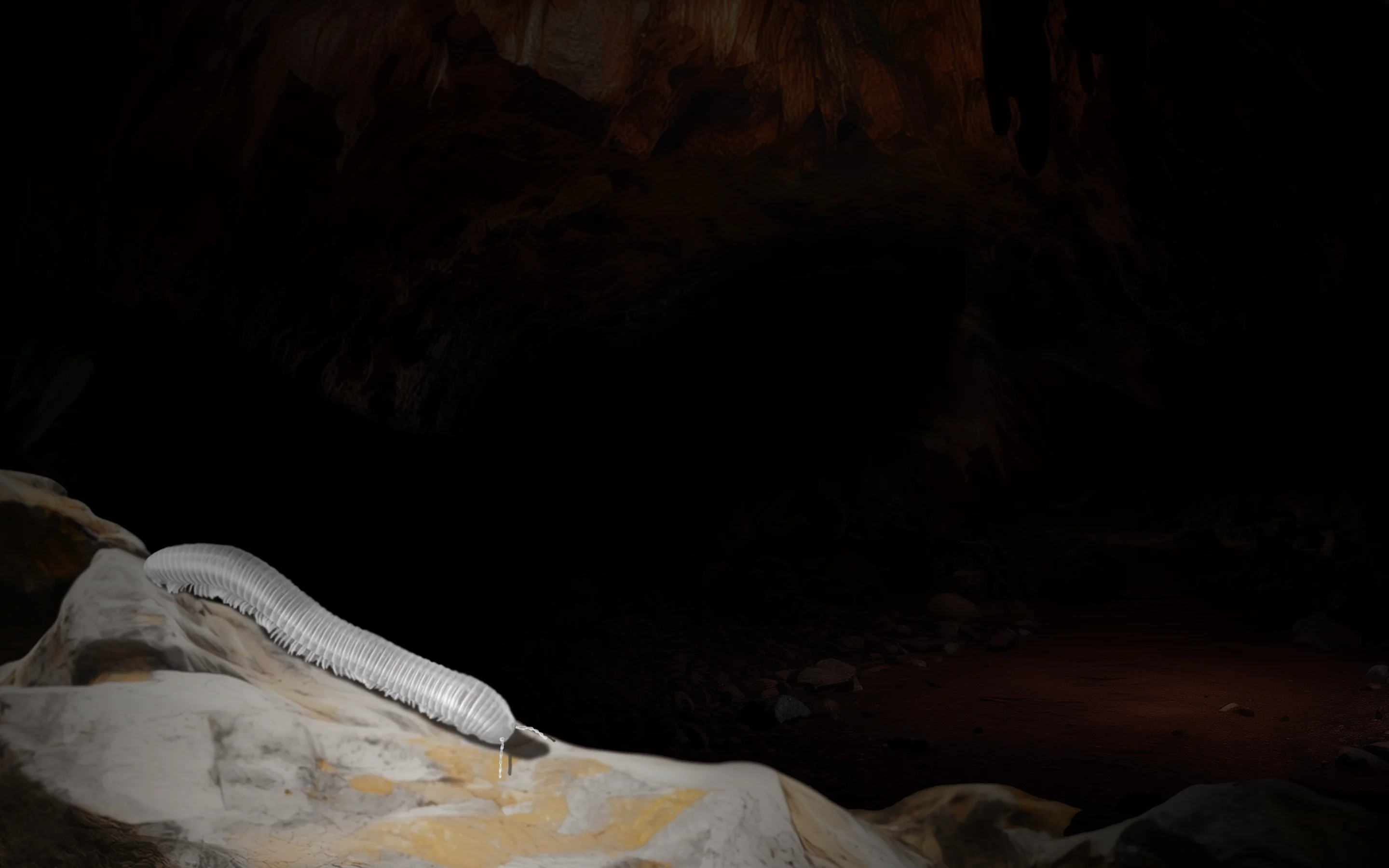
These creatures have developed extreme adaptations, such as total or partial loss of eyes and reduced pigmentation. They are, therefore, completely dependent on caves. Here, a millipede.
The bats of Carajás move among forests, cangas, and caves, playing an essential role in maintaining the region’s ecosystems.
It is estimated that there are about 80 species of bats in Carajás, of which more than 20 use caves for shelter and reproduction. Currently, ITV researchers are working on an update to this list, to also record the degree of dependence of the species on the caves.
Fieldwork requires familiarity with diverse bats, which often distinguish themselves by subtle dental, cranial, or acoustic traits. One of the pieces of equipment used to capture them is mist nets, which are very fine, practically invisible, and are stretched between trees or at the entrance of caves. When they collide with them, the mammals are momentarily trapped, allowing researchers to carefully remove them and make morphological records, collect samples, and mark them. Minutes later, they are released, almost always intact. Harp traps are also used, which are metal structures with parallel nylon wires that confuse the animals' sonar and intercept their flights.
Among the species most studied by Tavares is the tiny thumbless bat (Furipterus horrens), which has a body of about 4 centimeters and weighs less than 5 grams. Previously considered rare, the Furipterus has been found to be common in Carajás caves, where they form large colonies of more than 200 individuals. The biologist led systematic genetic studies, revealing in an article published in the journal Mammalian Biology that Furipterus horrens may actually be part of a complex of up to six genetically distinct lineages, one of which is endemic to the region.
The discovery shed light on the hidden diversity of the Amazonian cave fauna and expanded the understanding of speciation processes – that is, the emergence of new species – in isolated underground environments. The presence of Furipterus in the caves and the sharing of space with other bat species and troglobitic organisms allowed for an understanding of the interdependence between the animals and the energy flows brought from the external environment.

A colony of bats, mainly of the species Pteronotus rubiginosus and Pteronotus personatus, in the Ghost Cave, one of the more than 2,500 iron caves mapped in the Carajás region, in the Eastern Amazon. PHOTO: Daniel Menin
Understanding to conserve
The fauna of the darkness is highly specialized, with beings that may or may not depend on interaction with the outside world. Troglobites live exclusively in caves and have developed extreme morphological and physiological adaptations, such as total or partial loss of eyes and reduced pigmentation. An emblematic example is the arachnid Charinus ferreus, present in Carajás. With vestigial eyes and cautious movements, it orients itself by touch, exploring the darkest corners of the galleries. Troglophiles, on the other hand, live both inside and outside caves, although they depend on them at some point in their life cycle, as is the case with some insects and spiders. Trogloxenes, in turn, use caves only as temporary shelter. Bats, frogs, and some snakes fit into this category. Certain snakes frequent the darkness for thermoregulation and hunting – and they feed precisely on bats, in a relationship that inserts the cave into a broad ecological web.
The morphological and behavioral diversity of the bats of Carajás is impressive. While Furipterus prefers to fly in open areas and hunts in mid-air, the Lonchorhina aurita adopts foraging strategies in undergrowths, capturing prey perched on leaves. The coexistence of these distinct patterns demonstrates the sophistication of local ecological systems. “Many species are cryptic, that is, morphologically similar but genetically different. In these cases, one might think that a certain species lives in the Amazon and the Cerrado. Genetics then reveals the differences and the restricted distribution – and this changes everything in the assessment of extinction risk and conservation decisions,” explains Diego Bento, an environmental analyst at the Chico Mendes Institute for Biodiversity Conservation (ICMBio), who works in the Carajás National Forest (Flona), and a member of the Genomics of the Brazilian Biodiversity (GBB) consortium, a partnership between the institute and ITV.
“You can only conserve well what you know. We work with genomics to understand populations, to know if we are dealing with one or several species and how they are distributed. This data guides decisions on priority areas and the impacts of enterprises,” says Bento.


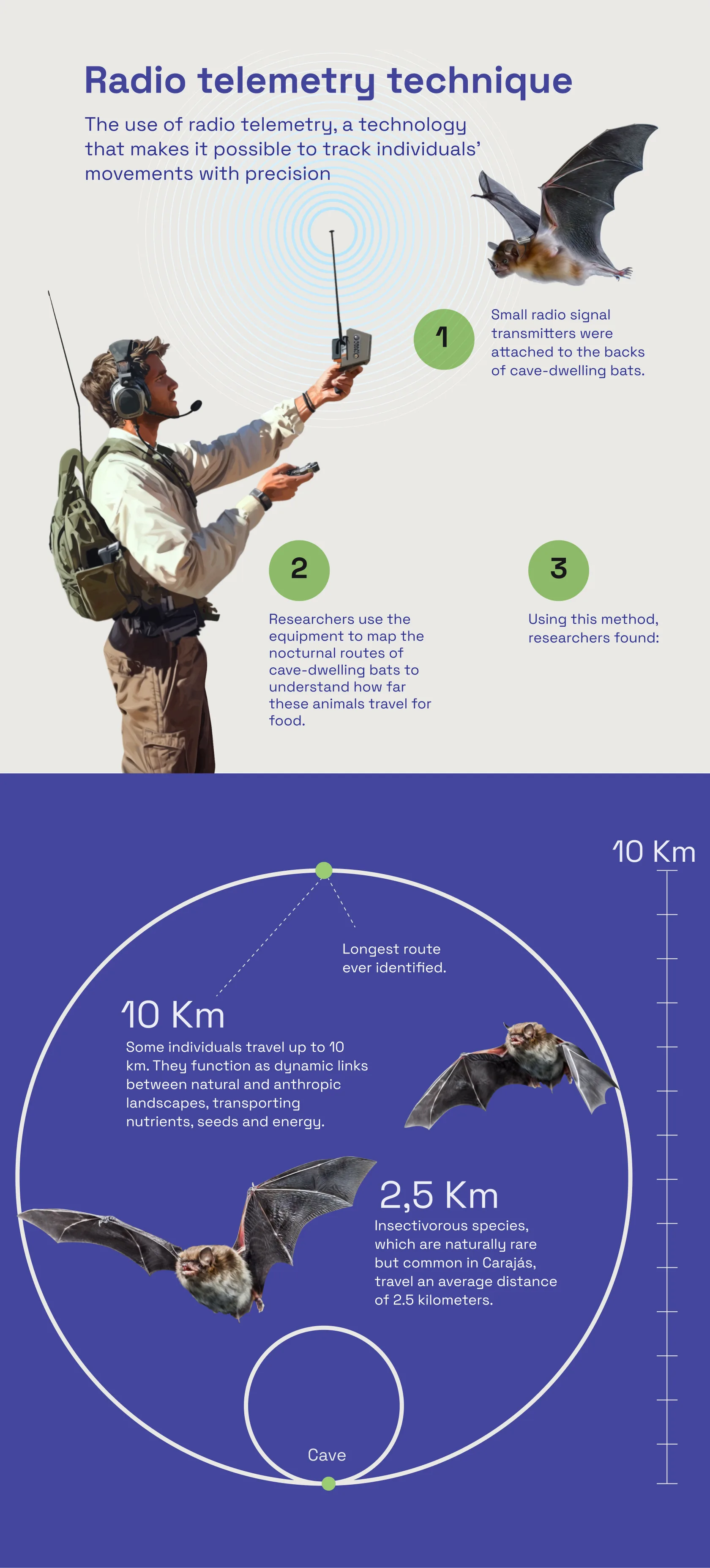
One of the most interesting advances in research has been the use of radiotelemetry, a technology that allows for the precise tracking of individuals' movements. In a study conducted by ITV and Vale, small radio signal transmitters were attached to the backs of cave-dwelling bats. The objective was to map their nocturnal routes and understand how far these animals travel to feed. “We thought, for example, that F. horrens only flew around the cave, but in fact the species travels over long distances. This indicates that it may be foraging in open areas, which changes our understanding of habitat use,” says Valéria Tavares.
The study, published in 2025 in Plos One, demonstrated that naturally rare but common insectivorous species in Carajás have an average displacement of 2.5 kilometers. Some individuals travel up to 10 kilometers. This nocturnal movement connects forest fragments, mining edges, and areas of continuous forest. The same occurs with frugivorous species. In doing so, bats function as dynamic links between natural and anthropic landscapes, transporting nutrients, seeds, and energy. The conservation of underground refuges, therefore, can have direct implications for the ecological health of the surface, and vice versa.
By dispersing seeds over long distances, frugivorous bats act as forest gardeners. In doing so, they accelerate the regeneration of degraded areas and expand plant diversity. Insectivores, on the other hand, assist in controlling insect populations so they do not become pests, generating an annual saving of tens of billions of dollars for global agriculture. In turn, by visiting flowers in search of nectar, nectarivores transport pollen between plants, ensuring the reproduction of various plant species. Many bromeliads, cacti, and tropical trees depend on them to reproduce. In environments like the Amazon, where interactions are complex and specialized, the loss of these pollinators can compromise entire chains.
Although, in common sense, bats are known to feed on blood, only three species in the world are hematophagous. Two of them are present in Carajás: the common vampire bat (Desmodus rotundus) and the hairy-legged vampire bat (Diphylla ecaudata). With sharp incisors, they fold their tongue and form a kind of straw to suck the blood. To ensure the flow of food, their saliva has an anticoagulant substance.

Among the various anatomical traits that reveal dietary adaptations are the characteristics of their dentition. Insectivorous species, like F. horrens, have sharp teeth, capable of piercing the chitin of insect exoskeletons and grinding them. Frugivores, such as some species of the genus Artibeus, have wide, flat molars, ideal for crushing fruits. Nectarivores, in turn, have extensible tongues adapted for taking nectar from flowers.
After all, not all bats are the same. Perhaps the most enigmatic ever recorded in the Carajás region is the majestic Vampyrum spectrum: with a wingspan that can exceed one meter, the great false vampire bat has golden eyes and wide wings. True to its name, it is rarely seen; each record of it is treated as an event, an appearance. And, although it is not a strict cave-dweller, the Vampyrum uses natural cavities as shelters. Its presence in the landscape serves as an indicator of forest connectivity and ecosystem integrity. “It is an apex predator, the largest bat in the Americas. Carnivorous, it can eat rodents, small vertebrates, and even other bats. Its role is similar to that of the jaguar, which is a major apex predator in the food chain,” says Tavares.
Another way to unravel the ecological interactions of bats is through the analysis of the sounds they emit, most of which are inaudible to humans. For this reason, ITV launched the so-called Carajás Phonotheque (or FoCar), which will store the recordings made in the field. “Since acoustics facilitate the detection of these shy animals, we began to understand that some caves do indeed shelter colonies – where the animals have possibly lived for decades – while others are only occupied from time to time. For it to work, we need to capture and record the sounds of the species, understand their repertoire, and thus automate this process and know where they are,” explains Leonardo Trevelin, a researcher at ITV.
A good number of species have their own sound patterns – frequencies, durations, and rhythms – that allow for their identification without the need for capture. This approach reduces stress on the animals and increases the efficiency of biological inventories. The goal is for FoCar to serve not only scientific research but also to become a reference repository for other institutions and environmental consultancies.


Identification and licensing
The Carajás Speleological Unit is located in southeastern Pará, within the Carajás National Forest. It mainly comprises the Serra Norte and Serra Sul regions, where canga formations outcrop, a kind of natural armor of the Amazon: hard, reddish, iron-rich soils, covered by drought- and acidity-resistant low vegetation. They are like rocky fields that grow and regenerate on the ore. It is under the cangas that the vast and still little-explored world of iron caves is hidden.
Unlike the better-known limestone formations, iron caves have unique geological and ecological characteristics: they are smaller, more unstable, and difficult to map. Still, they support a fauna adapted to an environment where humidity is high, luminosity is null in part of its area, and the availability of nutrients depends almost entirely on organic matter brought from the outside, especially by bats. Among them, the so-called “batcaves”, formations with tens of thousands of bats, also stand out. In Carajás, there are about ten. “They are extreme environments, very hot, full of guano and insects. To study them, researchers use special suits, like astronauts,” explains Diego Bento.
The caves are spread across a mosaic of conservation units, indigenous lands, and mining areas, a unique region for combining mineral wealth with extraordinary underground biodiversity. “This created a huge demand for knowledge,” says Trevelin.
ICMBio acts as the technical body responsible for analyzing the feasibility of projects in areas of ecological interest, such as the Carajás National Forest. After prospecting and identifying the cave, technicians and researchers evaluate physical, geological, and biological aspects, determining its value as a speleological heritage. “The cave is classified by relevance, and this guides whether or not it can be impacted,” says Xavier Prous, technical manager of long-term environmental studies at the mining company Vale. “We have had situations where the presence of a bat population required the preservation of the cave and the redesign of the project,” says Mariane Ribeiro, an environmental analyst in Vale's speleology and technology management.
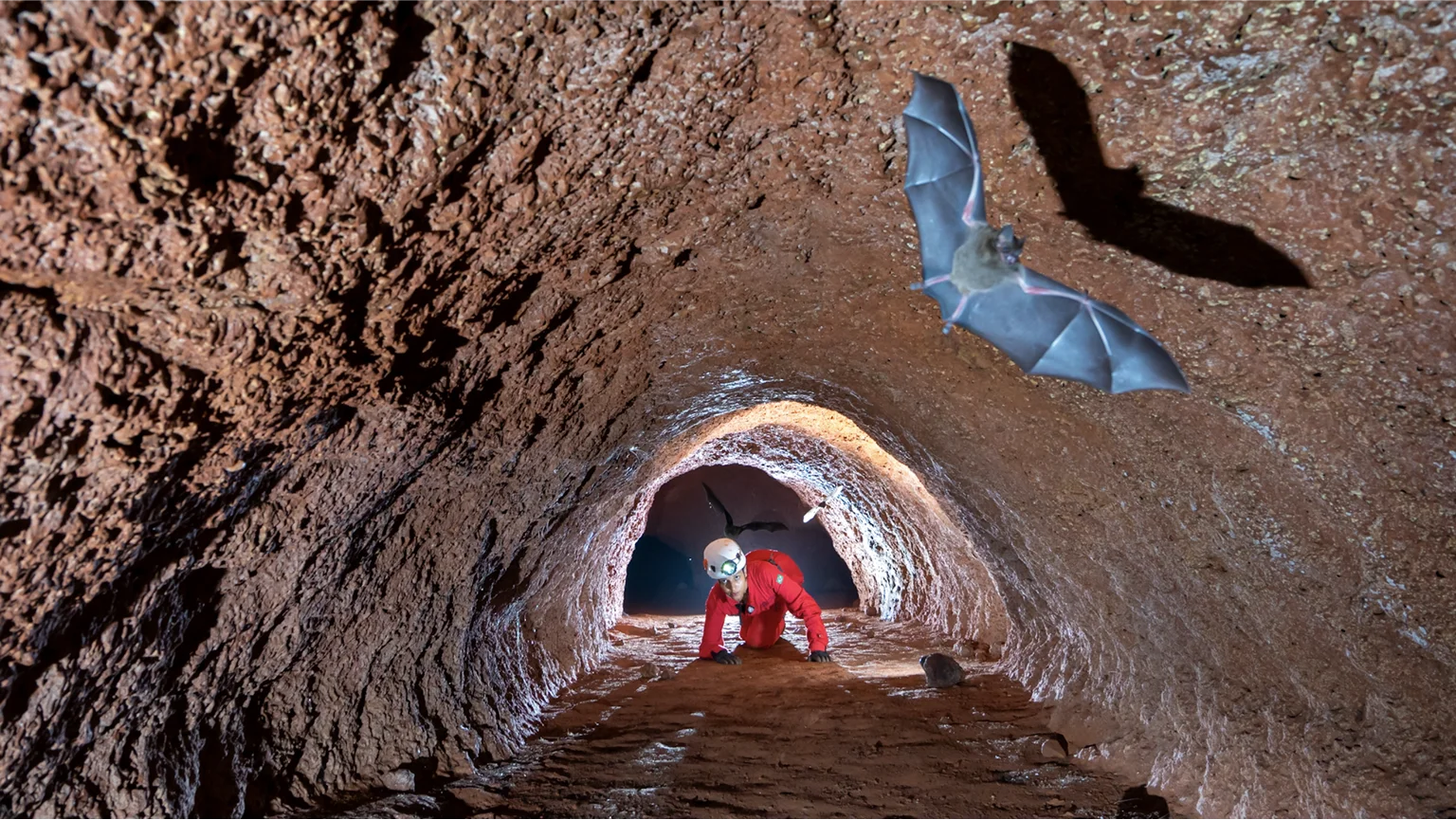
Bats and researcher Maria Aparecida de Souza in the Paleotoca S11-07 cave, in the Carajás region. Some of the caves in the region sheltered, hundreds of thousands of years ago, giant animals that are now extinct. This 'tunnel' through which the researcher passes may have been excavated by a giant armadillo, for example. PHOTO: Daniel Menin
“The design of the mine can be changed, the surroundings of the cave can be preserved, or the form of exploitation can be altered. The objective is to ensure that the bat population continues to use that shelter without being impacted,” adds Prous.
The care is justified. The caves of Carajás are marked by a high rate of endemism. From troglobitic arthropods to microorganisms, many species from there have not been found anywhere else in the world. This isolation makes the Pará cave system one of the most sensitive underground regions in Brazil. “There are species that only occur in a single cave. The bats can even look for another shelter, but the troglobites, for example, cannot. If their resource, like guano, runs out, they have no alternative,” says Bento.
But there are also bats threatened by habitat suppression, such as Natalus macrourus and Furipterus horrens itself, which depend exclusively on caves for shelter.
With its light-colored fur and elongated snout, the Natalus is notable for its funnel-shaped ears. It feeds mainly on insects caught in the air and suffers from environmental disturbances, thus being a valuable bioindicator of the quality of cave conservation.
On the border between mining and the environment, there are no simple choices in Carajás. On one side, the soil concentrates one of the largest mineral reserves on the planet; on the other, the caves harbor unique, irreplaceable lives. The most important thing, everyone agrees, is to value science in understanding the complexity of underground ecosystems. The challenge is to balance conservation and development, in a scenario of high economic pressure and little-known biodiversity. “We are here because we believe it is possible to develop mining without causing irreversible damage to the speleological heritage and biodiversity,” concludes Xavier Prous.
The illustrations on this page are visual artistic resources for educational purposes and do not represent scientific illustrations.
GLOSSARY
Iron caves
caves that form in iron ore rocks
Sonar system
also known as echolocation, the sonar system of bats emits sound waves that bounce off objects and return to the bats, producing an echo. Thus, these mammals can 'see' through sound and move or hunt in dark environments
Primary source of nutrients
any element or material that serves as the first source of nutrients in an ecosystem; in the case of caves, guano (bat feces) fits into this category
Foraging
the set of behaviors used by a species to find food, such as prey or plants
Frugivores
species that feed mainly on fruits
Insectivores
species that feed mainly on insects
Nectarivores
species that feed mainly on nectar, the sugary liquid produced by flowers
Chitin
a hard and resistant substance that forms the outer part of the body of insects, the exoskeleton
Exoskeleton
a rigid structure that covers the body of insects with the functions of protection, support, and movement
Speleological unit
a geographical unit with a concentration of caves and underground cavities with common geological and hydrological processes, such as the formation of underground galleries and the flow of rivers and water tables
Endemism
when a species occurs exclusively in a certain geographical region