

ITACAIÚNAS RIVER BASIN
The Itacaiúnas river basin is considered a microcosm of the Amazon in terms of threats and resilience. Understand, in four interactive stories, the history and impacts of the exploitation of natural resources in the region and also delve into the universe of the bees and bats that live there. The basin is largely richly studied by the Vale Institute of Technology (ITV), federal universities, as well as federal funding agencies such as CNPq and CAPES. Understanding these findings is essential to creating protection strategies for Brazil's largest biome.

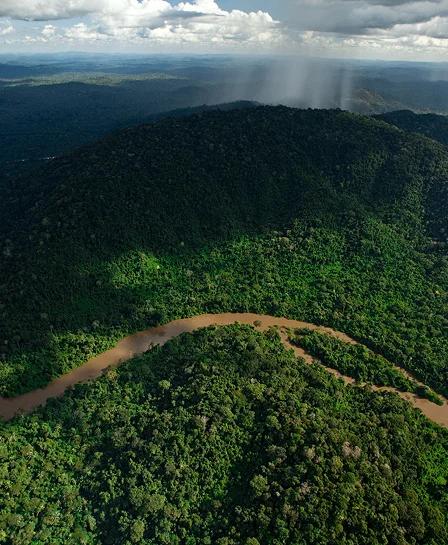
Understand how getting to know the Itacaiúnas river basin can help conserve Amazon in its entirety
Like the rest of the Amazon basin, the region is under pressure from deforestation and the climate crisis, but with one difference: there is a great deal of scientific research available. Studies indicate, for example, an increase in periods of drought and also in the average temperature.
READ STORY
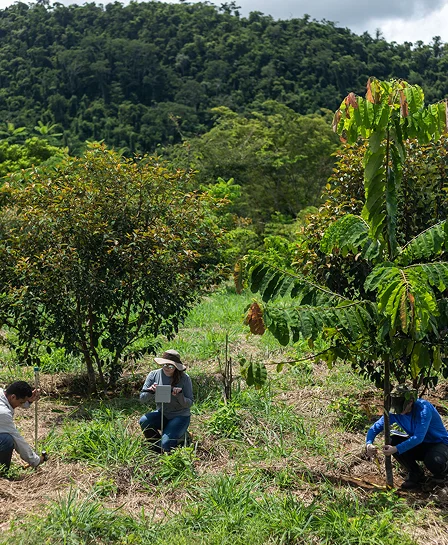
Less Forest, More Heat: Deforestation Changes Climate in Carajás
The river basin has lost almost half of its native vegetation in four decades - a change that has increased temperatures and altered the rainfall regime. Researchers advocate the restoration of strategic areas as a path to adaptation and resilience.
READ STORY
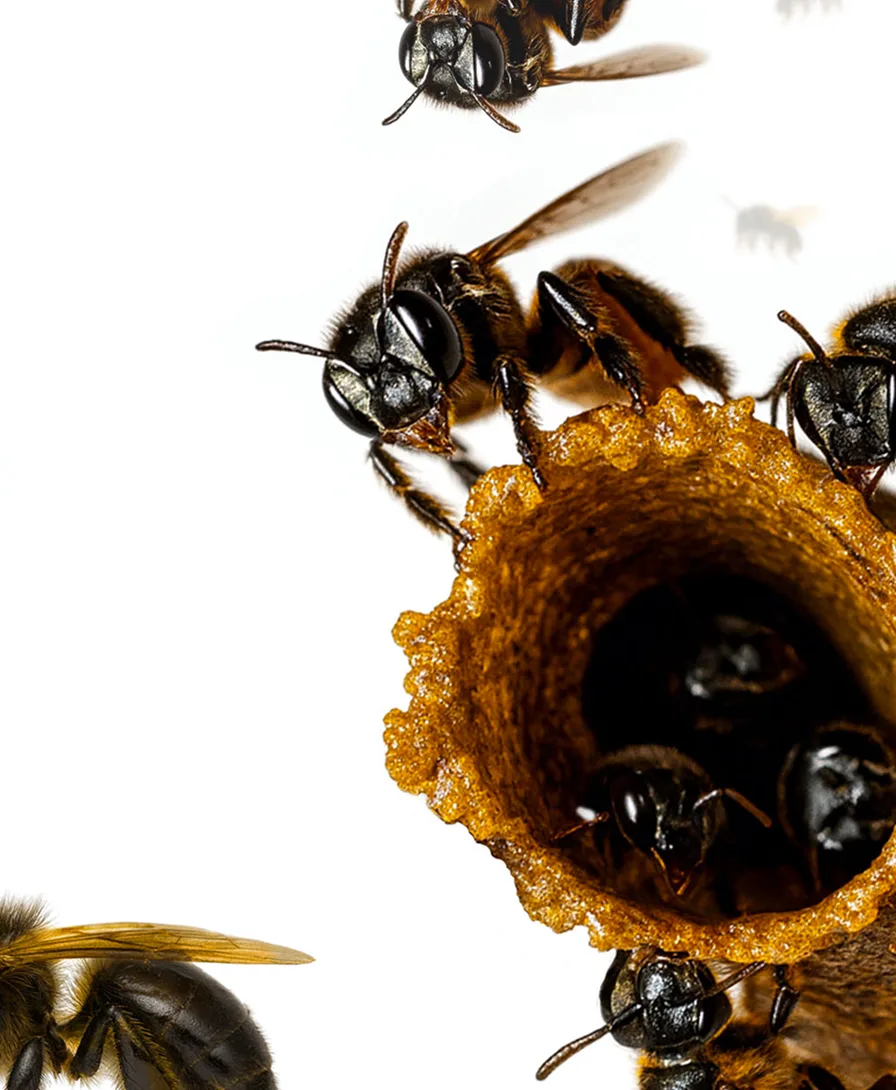
Native bees increase the production of açaí and other iconic fruits of the Amazon
Research from the Instituto Tecnológico Vale (ITV) and partner institutions – such as CNPq, CAPES, and Embrapa – assess the influence of these insects on agricultural production, their main threats, and the importance of the activities of breeding and managing native bees. Studies conducted in the basin of the Itacaiúnas River may indicate ways to protect these insects in various territories.
READ STORY
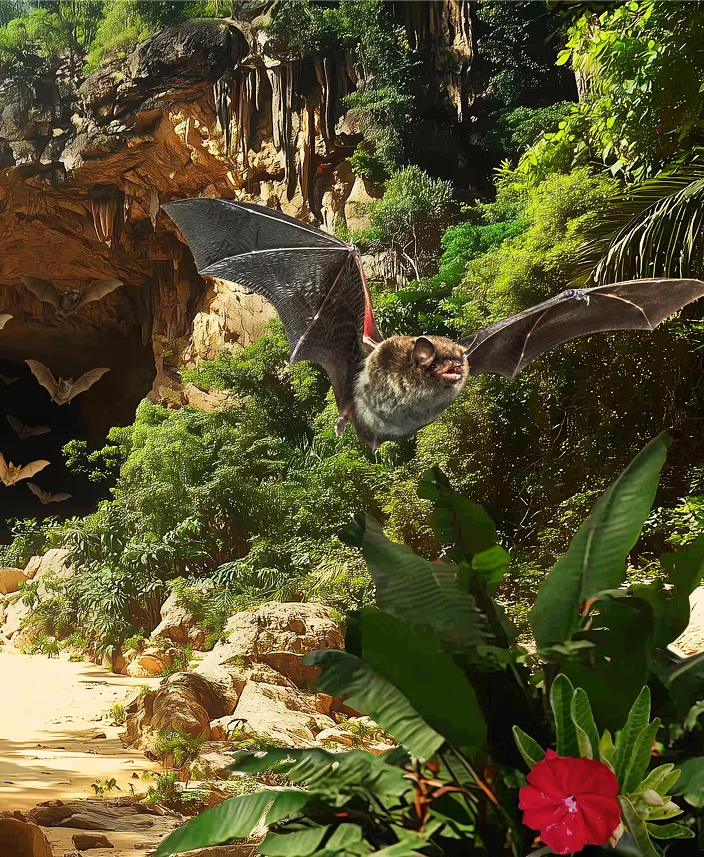
Subterranean Amazon: scientists unveil how bats sustain ecosystems in Carajás
Research from the Instituto Tecnológico Vale (ITV) reveals the essential role of these flying mammals in connecting forests and caves in a unique region where mineral wealth coexists with extraordinary subterranean biodiversity. Bats are vital for pollination, seed dispersal, pest control, and the survival of other species.
READ STORY